

 Log In


The Importance of Web Tools in Today’s Digital Age
February 12, 2024 | Interdependent
In the rapidly evolving digital landscape, web tools have become indispensable for individuals and businesses alike. From simplifying everyday tasks to enhancing productivity and fostering collaboration, these tools are at the heart of modern efficiency. Here’s why web tools are so important in today’s world: 1. Boosting Productivity Web tools enable users to automate repetitive tasks, streamline workflows, and save time. Tools like project management platforms, online calculators, and scheduling applications reduce the manual effort needed to complete complex tasks. This increased efficiency allows individuals and teams to focus on higher-priority goals. 2. Enhancing Collaboration The rise of remote work and global teams has highlighted the importance of web tools for communication and collaboration. Platforms like Slack, Google Workspace, and Trello make it easy to share ideas, track progress, and work together in real-time, regardless of geographical location. 3. Accessibility and Convenience Unlike traditional software, web tools are accessible from any device with an internet connection. This flexibility means users can work from anywhere, whether they’re at home, in the office, or on the go. Additionally, most web tools require no installation, making them quick and easy to use. 4. Cost-Effectiveness Many web tools offer free or affordable pricing models, making them accessible to small businesses, startups, and individuals. Compared to purchasing expensive software licenses, web tools provide a budget-friendly alternative without compromising on functionality. 5. Scalability and Customization Web tools are often designed to scale with users’ needs. Whether you’re an individual user or a growing enterprise, these tools can adapt to accommodate increasing demands. Additionally, many web tools offer customization options, allowing users to tailor features to their specific requirements. 6. Real-Time Data and Insights Web tools provide instant access to data and analytics, helping users make informed decisions. For businesses, tools like CRM platforms and analytics dashboards offer valuable insights into customer behavior, performance metrics, and market trends. 7. Environmental Impact By reducing the need for paper-based processes and physical infrastructure, web tools contribute to a greener, more sustainable future. Digital solutions not only save resources but also minimize the environmental footprint of businesses and individuals. Conclusion Web tools are more than just convenient gadgets; they are essential components of modern life. They empower users to work smarter, connect with others, and achieve their goals efficiently. As technology continues to evolve, the role of web tools will only grow, further transforming the way we live and work. Embracing these tools is no longer an option but a necessity in the digital age.

January 14, 2024 | Interdependent
Artificial Intelligence ...
Artificial intelligence (AI) is transforming industries, and web development is no exception. By integrating AI into web design and development, businesses can ...
Read More
January 11, 2024 | Interdependent
The Importance of Artifi...
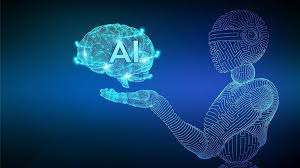
Artificial intelligence (AI) has revolutionized the way we interact with technology, and its impact on web tools is profound. From streamlining workflows to per...
Read More
January 11, 2024 | Interdependent
Navigating Programming w...
What do you mean by nature? Nature - Wikipedia Nature can refer to the general realm of living plants and animals, and in some cases to the processes associated...
Read More